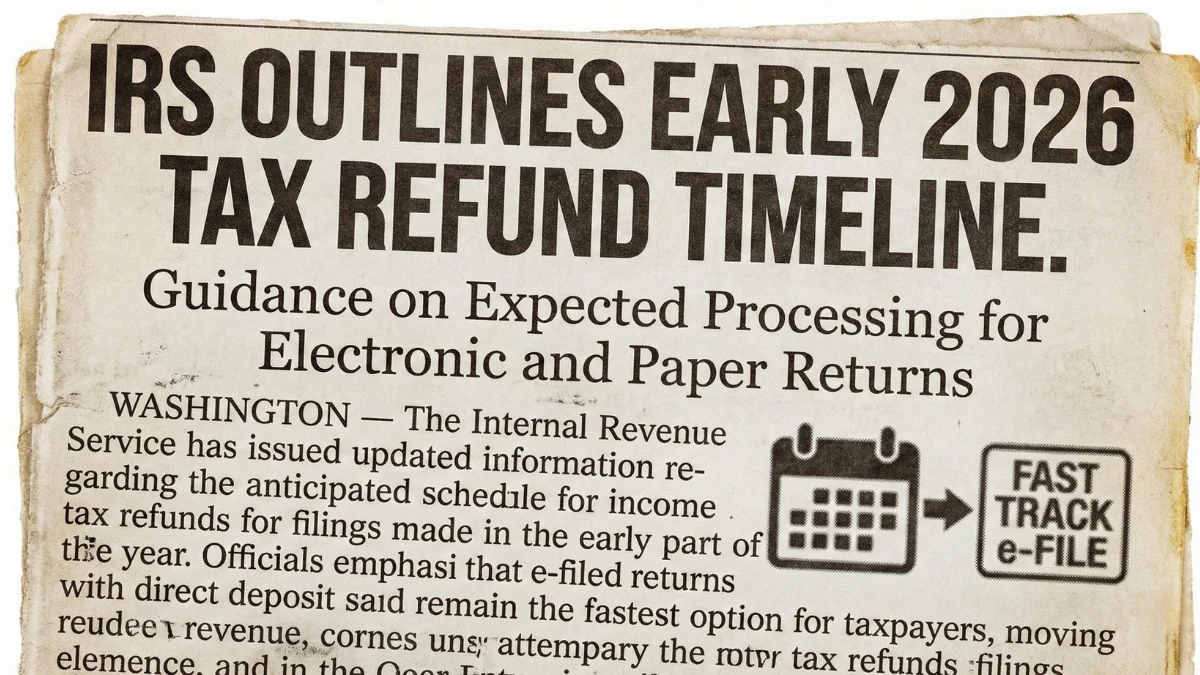
As February 2026 moves forward, many taxpayers are closely tracking their income tax refunds. For millions of Americans, a refund is not just extra money but an important part of their short-term financial planning. This has made refund timing one of the most searched topics early in the year.
Understanding how the IRS processes refunds — and why timelines differ — can help reduce confusion and unrealistic expectations.
How the IRS Refund Process Works
After a tax return is submitted, it enters multiple processing stages. These include data verification, identity checks, and review of credits or deductions claimed. Only after these steps are completed can a refund be approved and sent for payment.
The Internal Revenue Service processes millions of returns during the same period, which means not all refunds move at the same speed. Some are approved quickly, while others require additional review.
Why February Refunds Do Not All Arrive Together
Many taxpayers expect refunds to arrive within a fixed number of days. In reality, February refunds are released in waves. Filing date, return accuracy, and selected credits all influence timing.
Returns claiming certain refundable credits often take longer because federal law requires extra review before funds can be released. Even if a return is accepted early, payment may still be delayed due to mandatory checks.
Early February vs Late February Refund Timing
Taxpayers who file early and have simple returns may see refunds processed sooner. Others may experience delays if their returns include adjustments, corrections, or verification flags.
Late February refunds are common for returns that require manual review or additional system checks. This does not mean there is a problem — it simply reflects processing order and workload.
Why Refund Status Messages Can Be Confusing
Online refund trackers do not always update in real time. A return may already be approved internally while the public status still shows processing. In some cases, the tracker may briefly show no expected refund amount.
These gaps between internal approval and public updates often create unnecessary worry, even though the refund is still moving forward.
Direct Deposit vs Paper Check Timing
Refunds sent by direct deposit generally arrive faster than paper checks. Bank processing times, however, can still add one to three business days after the IRS releases funds.
Paper checks require mailing and delivery, which can extend timelines significantly. Taxpayers choosing checks often wait longer even after approval.
What to Do If Your February Refund Is Still Pending
If a refund has not arrived by late February, taxpayers should first confirm that their return was accepted. Reviewing bank details and monitoring official status tools is recommended.
Repeated changes or resubmissions can slow processing further. In most cases, waiting for the system to complete its review is the fastest option.
Why Refund Timing Feels Slower in 2026
In 2026, enhanced fraud prevention measures and higher filing volumes have increased review time for some returns. While these checks improve accuracy and security, they also make timelines less predictable.
This is why two people who filed on the same day may receive refunds weeks apart.
What Taxpayers Should Expect Going Forward
February refunds will continue to be issued throughout the month and into early March. A delayed refund does not automatically indicate rejection or denial.
Understanding the process helps set realistic expectations and reduces unnecessary stress while waiting for updates.
Disclaimer
This article is for informational purposes only and does not provide tax, legal, or financial advice. Tax refund schedules and processing times may change based on official rules and system updates. Taxpayers should rely on official IRS tools and communications for accurate refund information.