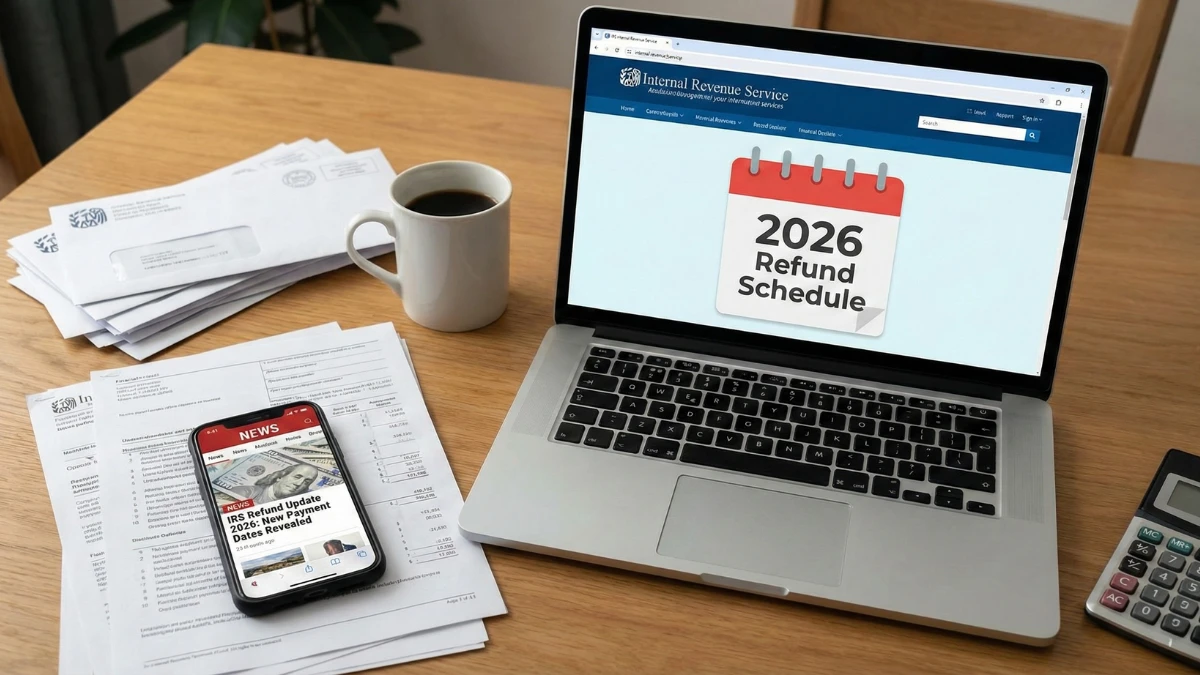
Millions of Americans are paying close attention as fresh developments suggest that IRS refund payment dates for 2026 may follow a slightly different timeline this year. With many taxpayers relying on refunds to manage rising costs, even small shifts in processing schedules by the Internal Revenue Service are generating strong interest and concern nationwide, especially among early filers hoping for fast direct deposits.
A new refund season brings fresh questions
Millions of Americans are watching closely as the 2026 tax season approaches, and early signs suggest that IRS refund payment dates may not follow the exact pattern of previous years. Subtle changes in processing timelines are already creating curiosity and concern among taxpayers who depend on timely refunds.
Why the IRS is moving carefully in 2026
The Internal Revenue Service is entering the new tax year with a stronger focus on accuracy, security, and fraud prevention. Officials are prioritizing verification checks, which could slightly slow down refunds but are intended to protect taxpayers from identity theft and improper payments.
Early filers may still see faster refunds
Taxpayers who file early, submit returns electronically, and select direct deposit are still expected to receive refunds sooner than others. Historically, clean and error-free returns are processed within a few weeks, and that pattern is likely to continue for many Americans in 2026.
Some refunds could take longer than expected
Returns that include refundable credits, updated personal information, or mismatched income records may be flagged for additional review. These extra checks can delay refund payments, even for filers who submit their returns on time and follow all filing guidelines.
Why refund timing matters so much right now
For countless households across the United States, tax refunds are more than extra money. They help cover rent, medical bills, education costs, and everyday expenses during a time of rising prices. Any delay in refund delivery can quickly turn into financial stress.
Simple steps that can help avoid delays
Tax professionals continue to stress the importance of accurate filing in 2026. Double-checking personal details, income information, and bank account numbers before submitting a return can reduce the risk of processing holds and unexpected refund delays.
What Americans should expect next
As the filing season moves closer, the IRS is expected to release clearer guidance on official refund timelines. Until then, taxpayers are encouraged to stay alert, file early when possible, and track refund status using official tools once returns are submitted.